Featured
Table of Contents
is the right option when you require an extremely customized frontend with complex UI, and you're comfortable assembling or linking your own backend stack. It's the only framework in this list that works similarly well as a pure frontend layer. AI tools are excellent at producing React elements and page structures.
The complexity of the App Router, Server Elements, and caching plus breaking modifications like the Pages to App Router migration can also make it harder for AI to get things. Wasp (Web Application Specification) takes a different method within the JavaScript environment. Instead of providing you building blocks and informing you to assemble them, Wasp uses a declarative setup file that describes your entire application: routes, pages, authentication, database models, server operations, and background tasks.
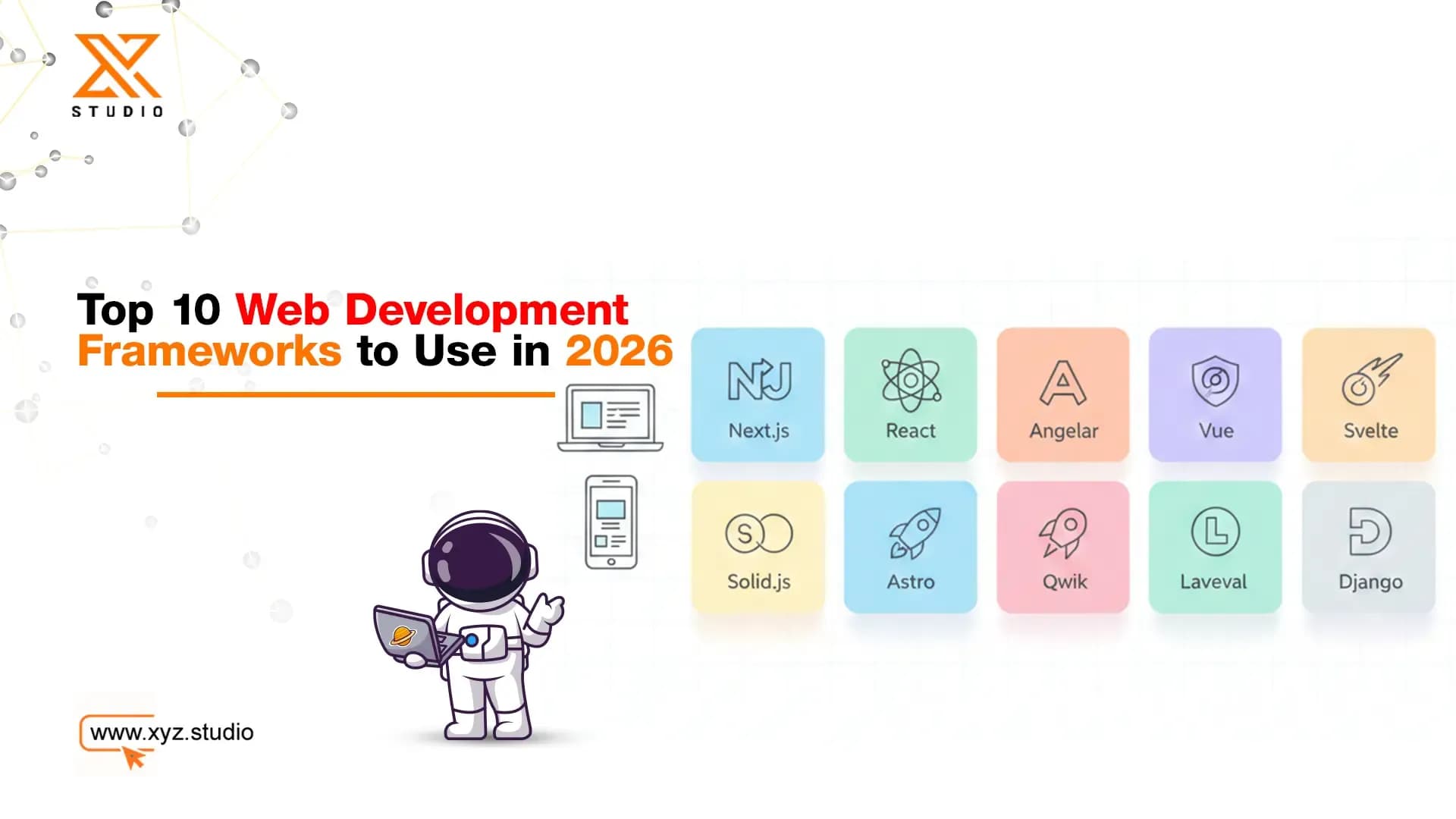
With and a growing neighborhood, Wasp is earning attention as the opinionated option to the "assemble it yourself" JS environment. This is our framework. We developed Wasp since we felt the JS/TS community was missing the sort of batteries-included experience that Laravel, Rails, and Django developers have had for years.
specify your whole app routes, auth, database, jobs from a high level types flow from database to UI automatically call server functions from the customer with automated serialization and type checking, no API layer to write email/password, Google, GitHub, and so on with very little config declare async jobs in config, execute in wasp deploy to Train, or other companies production-ready SaaS starter with 13,000+ GitHub stars Drastically less boilerplate than putting together + Prisma + NextAuth + and so on.
A strong fit for small-to-medium teams developing SaaS items and enterprises constructing internal tools anywhere speed-to-ship and low boilerplate matter more than maximum personalization. The Wasp setup offers AI an instant, top-level understanding of your whole application, including its routes, authentication techniques, server operations, and more. The distinct stack and clear structure allow AI to concentrate on your app's company reasoning while Wasp handles the glue and boilerplate.
Creating High-Converting Digital Stores with API-First TechEvaluating Headless vs Monolithic CMS Solutions
One of the most significant distinctions between structures is how much they offer you versus how much you assemble yourself. Here's a detailed comparison of key features throughout all five frameworks. FrameworkBuilt-in SolutionSetup EffortDeclarative auth in config 10 lines for email + social authMinimal state it, doneNew starter packages with e-mail auth and optional WorkOS AuthKit for social auth, passkeys, SSOLow one CLI command scaffolds views, controllers, routesBuilt-in auth generator (Bed rails 8+).
Login/logout views, authorizations, groupsLow included by default, include URLs and templatesNone built-in. Use (50-100 lines config + path handler + middleware + provider setup) or Clerk (hosted, paid)Moderate-High install bundle, set up companies, include middleware, manage sessions Laravel, Rails, and Django have had more than a decade to improve their auth systems.

Django's authorization system and Laravel's group management are particularly advanced. That stated, Wasp stands out for how little code is needed to get auth working: a couple of lines of config vs. generated scaffolding in the other frameworks.
Creating High-Converting Digital Stores with API-First TechSidekiq for heavy workloadsNone with Solid Line; Sidekiq requires RedisNone built-in. Celery is the de facto requirement (50-100 lines setup, requires broker like Redis/RabbitMQ)Celery + message brokerDeclare task in.wasp config (5 lines), carry out handler in Node.jsNone utilizes pg-boss under-the-hood (PostgreSQL-backed)None built-in. Required Inngest,, or BullMQ + different worker processThird-party service or self-hosted worker Laravel Lines and Rails' Active Job/ Strong Line are the gold requirement for background processing.
How to Evaluate the Right CMS
Wasp's task system is simpler to state but less feature-rich for intricate workflows. FrameworkApproachFile-based routing produce a file at app/dashboard/ and the route exists. Intuitive however can get untidy with complicated layoutsroutes/ expressive, resourceful routing. Route:: resource('photos', PhotoController:: class) provides you 7 waste routes in one lineconfig/ similar to Laravel. resources: photos creates Peaceful routes.
Flexible however more verbose than Rails/LaravelDeclare route + page in.wasp config routes are coupled with pages and get type-safe connecting. Simpler but less flexible than Rails/Laravel Routing is largely a solved issue. Rails and Laravel have the most powerful routing DSLs. file-based routing is the most instinctive for simple apps.
FrameworkType Safety StoryAutomatic types circulation from Prisma schema through server operations to React parts. No manual setup neededPossible with tRPC or Server Actions, however requires manual setup. Server Actions provide some type flow however aren't end-to-endLimited PHP has types, however no automatic circulation to JS frontend. supplies some type sharing with TypeScriptMinimal Ruby is dynamically typed.
New Shifts in Web Frameworks in 2026
Having types circulation automatically from your database schema to your UI components, with zero setup, gets rid of a whole class of bugs. In other frameworks, accomplishing this needs considerable setup (tRPC in) or isn't practically possible (Bed rails, Django). FeatureLaravelRuby on RailsDjangoNext.jsWaspPHPRubyPythonJavaScript/ TypeScriptJavaScript/TypeScript83K +56 K +82 K +130 K +18 K+E loquentActive RecordDjango ORMBYO (Prisma/Drizzle)Prisma (incorporated)Beginner kits + WorkOS AuthKit integrationGenerator (Rails 8)django.contrib.authBYO (NextAuth/Clerk)Declarative configQueues + HorizonActive Task + Solid Queue(Celery)BYO (Inngest/)Declarative configVia Inertia.jsVia Hotwire/APIVia separate SPANative ReactNative ReactLimitedMinimalLimitedManual (tRPC)AutomaticForge/VaporKamal 2Manual/PaaSVercel (one-click)CLI deploy to Train,, or any VPSModerateModerateModerateSteep (App Router)Low-ModerateLarge (PHP)ShrinkingLarge (Python)Large (React)Indirectly Huge (Wasp is React/) if you or your team knows PHP, you need a battle-tested service for a complex organization application, and you want a huge environment with answers for every problem.
It depends on your language. The declarative config gets rid of choice tiredness and AI tools work especially well with it.
The typical thread: choose a structure with strong viewpoints so you hang around building, not configuring. configuration makes it the very best choice as it offers AI a boilerplate-free, top-level understanding of the entire app, and permits it to concentrate on developing your app's company reasoning while Wasp deals with the glue.
Yes, with caveats. Wasp is rapidly approaching a 1.0 release (presently in beta), which suggests API modifications can happen in between versions. However, real companies and indie hackers are running production applications built with Wasp. For enterprise-scale applications with complicated requirements, you may desire to wait for 1.0 or choose a more recognized structure.
How API-First Development Boost SEO Performance
For a start-up: gets you to a released MVP quickly, especially with the Open SaaS template. For a group: with Django REST Structure. For a team:. For speed-to-market in Ruby:. The typical thread is selecting a structure that makes choices for you so you can focus on your item.
You can, however it needs considerable assembly.

Latest Posts
Designing AI Ranking Frameworks for 2026
How to Modernize Web Stacks in 2026
Utilizing Omnichannel Growth Automation for Enterprise Scalability